Final Fantasyis a franchise with a rich history spanning several decades, console generations, and aesthetic changes. Fifteen mainline entries have released since 1987, andFinal Fantasy 16will look to continue the legacy as it returns to a high-fantasy and medieval setting in thewar-torn land of Valisthea. There will be players who have experienced the magic of the series from the very beginning, growing alongside the likes of Terra Branford, Cloud Strife, and Tidus, but others will see Square Enix' next game as a reason to finally giveFinal Fantasychance.
Final Fantasy 16will be the start of many fans' journey in the property, and it has evolved greatly from a turn-based experience with sprite character models to something more fast-paced and visually impressive that undoubtedly appeals to modern players.Final Fantasy 16has the tough job of staying true to its origins, but shouldn’t abandon the younger generation in pursuit of nostalgia.
RELATED:Final Fantasy 16’s Clive and FF15’s Noctis Seem Nothing Alike
How Final Fantasy Has Changed
Final Fantasyhas defined the JRPG landscapesince its beginnings, and is what most think of when the topic of Japanese Role-Playing Games is raised. There’s a reason for that, as its gameplay innovation and familiar approach to storytelling, RPG mechanics, and battle systems has been replicated by other properties for years.Final Fantasyin 1987 andFinal Fantasy 15are very different games, however, as the changes over time have evolved the fabric of the entire series.Final Fantasy 16looks different still, and future entries will surely leave modern technology and presentation behind.Final Fantasyhas stood the test of time because it has adapted as the years and console generations have gone by, andFinal Fantasy 16will be the latest example of it.
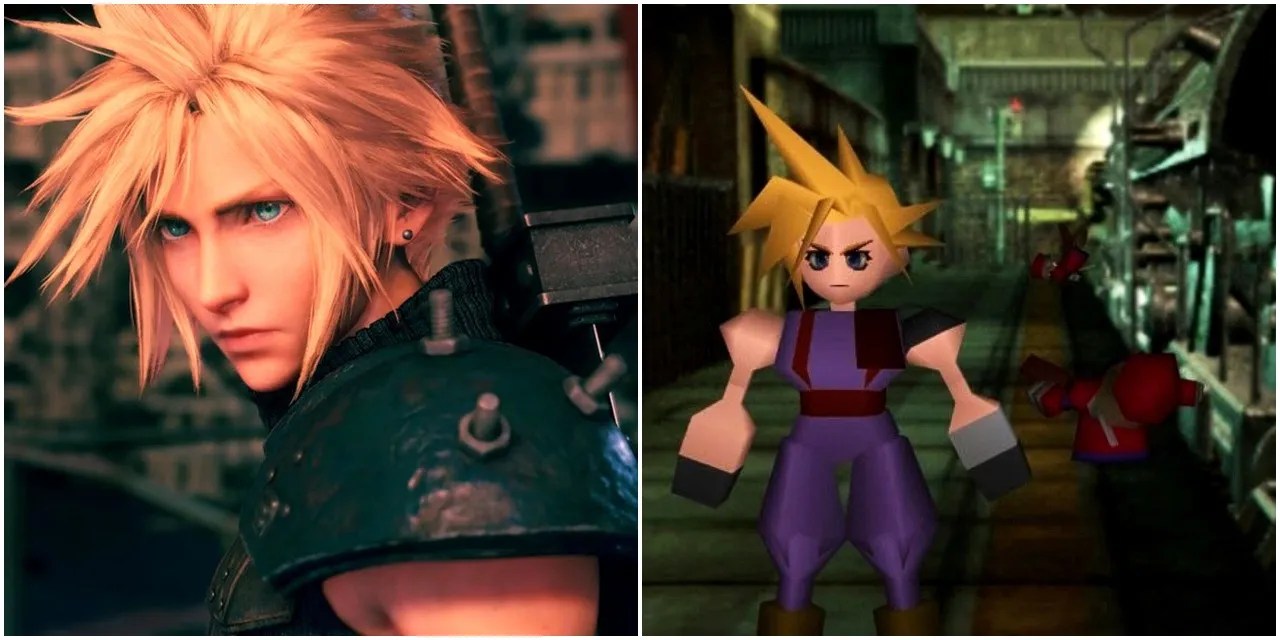
While these changes may have been provoked by a desire to capture a western market, the change to action-based gameplay and consistent, realistic character models has put it more in line with what most expect from modern AAA releases. Naturally, updated visuals and streamlined menu systems will be more appealing to younger audiences, as blocky textures and complex junctioning and materia systems don’t do well to provoke player retention in 2022.Final Fantasy 16looks to be radically differentfrom games in Square Enix' PlayStation 1 heyday, which benefits gamers of all types, not least the younger market.

Appealing to a Younger Audience
Final Fantasyis competing against a plethora of exceptional franchises in the 2020s, not just titles within its own genre. Modern games are pushing narratives and gameplay that are inclusive of all gamers in the pursuit of sales, and asFinal Fantasycontinues to find mainstream popularity, it has to consider younger gamers if it wants to overachieve. Be it through more accessible storytelling or a less complex battle system, it’s crucial for the upcoming game to cast a wide net if it wants to compete with thestrong commercial reception of games likeCyberpunk 2077,Borderlands 3,Assassin’s Creed: Valhalla,andThe Last of Us 2.
Veteran fans of the franchise have propped it up through thegrowing pains ofFinal Fantasy 8andFinal Fantasy 11, but this simply won’t do today.Final Fantasy 16is the latest in a long line of games that some have been a fan of for years, but will be the entry point for plenty of others. If the game is a cluttered mess of confusing systems and nonsensical story beats, then it’s more than likely going to scare away potential new fans.Final Fantasy 7 Remakewas a shining example of how Square Enix can forge an experience that can appeal to different player bases, and Clive’s upcoming journey has to do the same instead of isolating youthful eyes.

RELATED:Final Fantasy 16’s Party System Differs Greatly From FF15
The Future of Final Fantasy
Final Fantasy 7is a nostalgic experiencefor thirty-somethings, and should the franchise continue for years to come,Final Fantasy 16could be the same for younger gamers in this generation.Final Fantasyhas to avoid becoming a dinosaur that only appeals to those who view the series through rose-tinted spectacles. This will be a challenge, as the series has relied on staples that have become commonplace over time, but merging them with new ideas is the key to success moving forward.
Tales of Ariseachieves this, as doesDragon Quest 11, butShin Megami TenseiandLive A Liveon Nintendo Switchdon’t, and while this is possibly by design, it’s no coincidence that they haven’t sold quite as well as the aforementioned games. Experiencing the classic JRPG formula will always be desired by many, but the genre as a whole needsFinal Fantasyto be the trailblazer most know it to be.

Final Fantasy Needs the Youth
Final Fantasy 16has to appeal to younger audiences, not just to satisfy a wide berth of gamers, but also to ensure its survival in later generations. Failing to adapt to modern times and the preferences of players is the fastest way to make any franchise irrelevant, as other properties and developers are working to ensure everyone is happy with each new entry in their respective properties. Even anesteemed series likeFinal Fantasyisn’t exempt from the changing of the times.
Final Fantasyhas never been one to push the boundaries of age ratings, and rarely provides enough blood, guts, and gore to make it unsuitable for youthful gamers. FromVaan to Squall,Final Fantasyprotagonists are often young themselves, so each game’s main character usually has relatable traits that can be explored to make the story more memorable for everyone. Although the game seems to be taking on a darker tone than some previous installations,Final Fantasy 16needs to leave room for fans of all kinds.Final Fantasyhas a rich history and some of its fans have aged significantly, but appealing to the younger generation is as important as providing a satisfying experience to veteran players.
Final Fantasy 16launches 2023 for PS5.
MORE:Final Fantasy 16’s Story is Much More Personal Than Past Games
