This decade has seen some RPGs move forward in leaps and bounds. As RPG fans approach the end of the current generation of consoles, however, many feel that the genre has stagnated somewhat over the last few years. For example, once acclaimed developers like Bethesda and BioWare have released games that did not match the critical success of their previous titles.
With some extremely anticipated titles likeCyberpunk 2077coming up this year and new competitors entering the ring, it remains to be seen which studios will flop and which will fly on thePS5 and Xbox Series X. There are a few key things, however, which could determine which developers help define next-gen RPGs.

RELATED:Will the Blades Return in Elder Scrolls 6?
Competing Franchises
BetweenFallout 76andMass Effect: Andromeda, both Bethesda and BioWare have had recent disappointments which have decreased faith in the developers’ abilities to provide the next-gen RPG experience their fans are hoping for. BioWare might regain momentum with aMass Effecttrilogy remasterrumored to be coming out this year and ifDragon Age 4is a success, but the developer seems to be avoiding new IPs after the huge critical and commercial failure ofAnthemlast year. There’s nothing wrong with focusing on a one’s bread and butter, though, and it seems BioWare is at least still somewhat dedicated toAnthem.
Bethesda’sFallout 4andFallout 76did not enjoy the same critical success asSkyrim, which puts a lot of pressure onThe Elder Scrolls 6to deliver a trulynext-generation RPG experience. However, there has been no official news of theSkyrimsequel since the teaser trailer dropped in 2018, leading some to speculate that the announcement was made to avert attention from the expected criticismFallout 76would get for taking the series online.
The lack ofElder Scrollsand the disappointment of recentFalloutgames has led a lot of Bethesda fans to place their hopes on Obsidian Entertainment, who developedFallout: New Vegas. Obsidian, in turn, has been keen to capitalize on Bethesda’s inaction, withThe Outer Worldsclearly framed as a spiritual successor theFalloutseries. The developer’s upcoming first-person fantasy RPGAvowedis set in Obsidian’sPillars of Eternityworld of Eoraand is also hoped by many to be a spiritual successor toSkyrim.
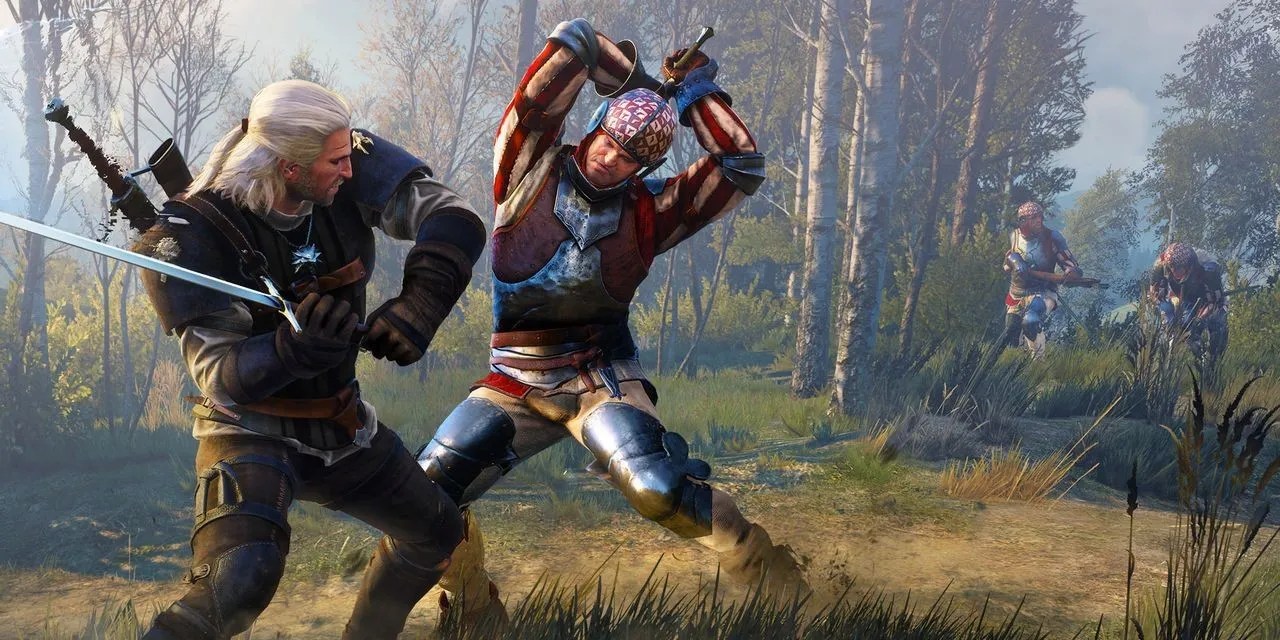
While Obsidian has a great track record, Bethesda and BioWare show that good records don’t always mean a studio can deliver on the goods, especially as its creative teams grow in size and the developers establish secondary studios. Although it had a great setting and art design,The Outer World’s storyfaced the same criticism that many Bethesda games have faced in the past. While the sandbox exploration was exciting, the reactivity of the world was relatively little, and the story was not as compelling to many as other RPG titles of this generation likeThe Witcher 3,which could write more character-driven stories at the cost of character customization.

Competing Philosophies
The two main camps of Western RPG design philosophy developed over the last decade have struggled with this very problem. Games likeSkyrimandThe Outer Worldshave often sacrificed depth of character for breadth of exploration. While their settings are great and filled with fun characters to interact with, these characters tend not to be particularly deep or reactive to the player. However, while this makes the world itself less immersive at times, the player can completely immerse themselves in their own character, whose personality and history is such a blank slate that it’s left entirely up to them.
On the other end of the spectrum, games likeMass EffectandThe Witcherhave characters with relatively pre-determined personalities, but are able to tell more compelling character-driven narratives as a result. While players can choose if Shepherd is a Paragon or a Renegade, or ifGeralt chooses Triss or Yennefer, they do not have nearly the same ability to customize their character and the experience is more like playing out the protagonists' story than making the player’s own.
Games likeFallout 4have tried to synthesize the two approaches before and demonstrate the difficulties of doing so. InFallout 4,the player has a preset voiceand established backstory - they are a veteran looking for their kidnapped child after the death of their heterosexual spouse. Compare this toFallout: New Vegas, where the Courier could be anyone from a seventeen year-old delivery boy to an old-timey prospector out for revenge.
The side effect ofFallout 4’s voiced and more developed protagonist is that the best part of theFalloutgames - exploring the wacky world - feels inappropriate in the context of the character. There’s a great deal of dissonance when the main character experiencing almost unimaginable family trauma while dressed as the Silver Shroud. It remains unclear how developers might successful synthesize these approaches to tell stories with almost as much customization and reactivity astabletop RPGs.
RELATED:A Look at Avowed’s Weirdest Race
CD Projekt Red’sWitcherseries itself appears to be over for the foreseeable future, at least withGeralt as the protagonist. However, the studio’s upcomingCyberpunk 2077is so hotly anticipated that even Obsidian’sGroundeddid a shout-out in its launch trailer.
The first trailer forCyberpunkcame out 7 years ago, however, and has been delayed multiple times. It’s possible thatCyberpunkcould be a victim of its own hype, though if the studio is able to deliver on makingeveryCyberpunkside-quest feel like a full story, it will be a top competitor.
AFablereboot is also in the mix on the fantasy side of the spectrum, though it remains unclear just how faithful it will be the original games, with the with Microsoft’s Head of Studios saying that theFableteam has a “unique viewof what’s core toFable.” As such many fans of the franchise will be as concerned as they are excited, but either way,Fablewill certainly complicate the playing field.
The Future of Western RPGs
What’s important, however, is that it will not bepowerful next-gen hardwarewhich determines which studios will find success in the coming generation. RPG developers need to figure out how to tell stories which allow the player choice without reducing the complexity of the story to accommodate that freedom.
The RPGs that will succeed will be those where players can get as lost in a cave or town or dungeon with as much investment as they would have in the main story, and not because, as in games likeSkyrim, the main questsare a weaker aspect of the design. Whichever studio can achieve that synthesis will create a game which feels truly next-gen, not just in its graphics, but in its entire design philosophy.
BothPS5andXbox Series Xare launching holiday 2020.
MORE:Dragon Age 4 and Mass Effect 5 Should Look to The Witcher 3 in One Big Way
