Summary
It is no wonder why the entertainment conglomerate Warner Bros. Discovery is so obsessed with the idea of establishing a tentpole franchise with 2018’sThe Megand its sequel from this past summerMeg 2: The Trench. The studio side wants to recreate the blockbuster magic of Steven Spielberg’s 1975 classicJaws, the film that created the “summer movie” experience. The TV/streaming side wants to appease the pre-existing fanbase of their annualShark Weekevent, which celebrated its 25th anniversary this year. These conflicting approaches are one of the many why theMegmovies are unable to feed the hunger of theatergoers who just want their sharky goodness.
StarringJason Statham as rescue diver/action man Jonas Taylor, the series follows a crack team of scientists and billionaires who specialize in oceanography, environmental preservation and fighting 75-foot megalodons. The first film grossed an impressive $530 million on a $130 million budget while the second film dropped to a still respectable $395 million gross on about the same budget. Despite their respective financial successes, neither The Meg nor The Meg 2 feel like good old fashioned shark movies, as they fundamentally misunderstand what makes the subgenre tick.

The Meg Misunderstands Shark Movies
Directed by Jon Turteltaub (National Treasurefranchise), 2018’sThe Megwas based on Steve Alten’sMeg: A Novel of Deep Terrorand went through development hell to get to the big screen, with the film rights having been purchased by Disney in 1990. The sci-fi source material seemed perfect for a claustrophobic horror thriller about people facing a deadly creature in a game of deep sea chess, emulating the tone from something like John Carpenter’sThe Thing(1982). Instead,The Megwas ultimately another formulaic action adventure with thin characters and unoriginal themes of corporate greed and humankind infringing the environment.
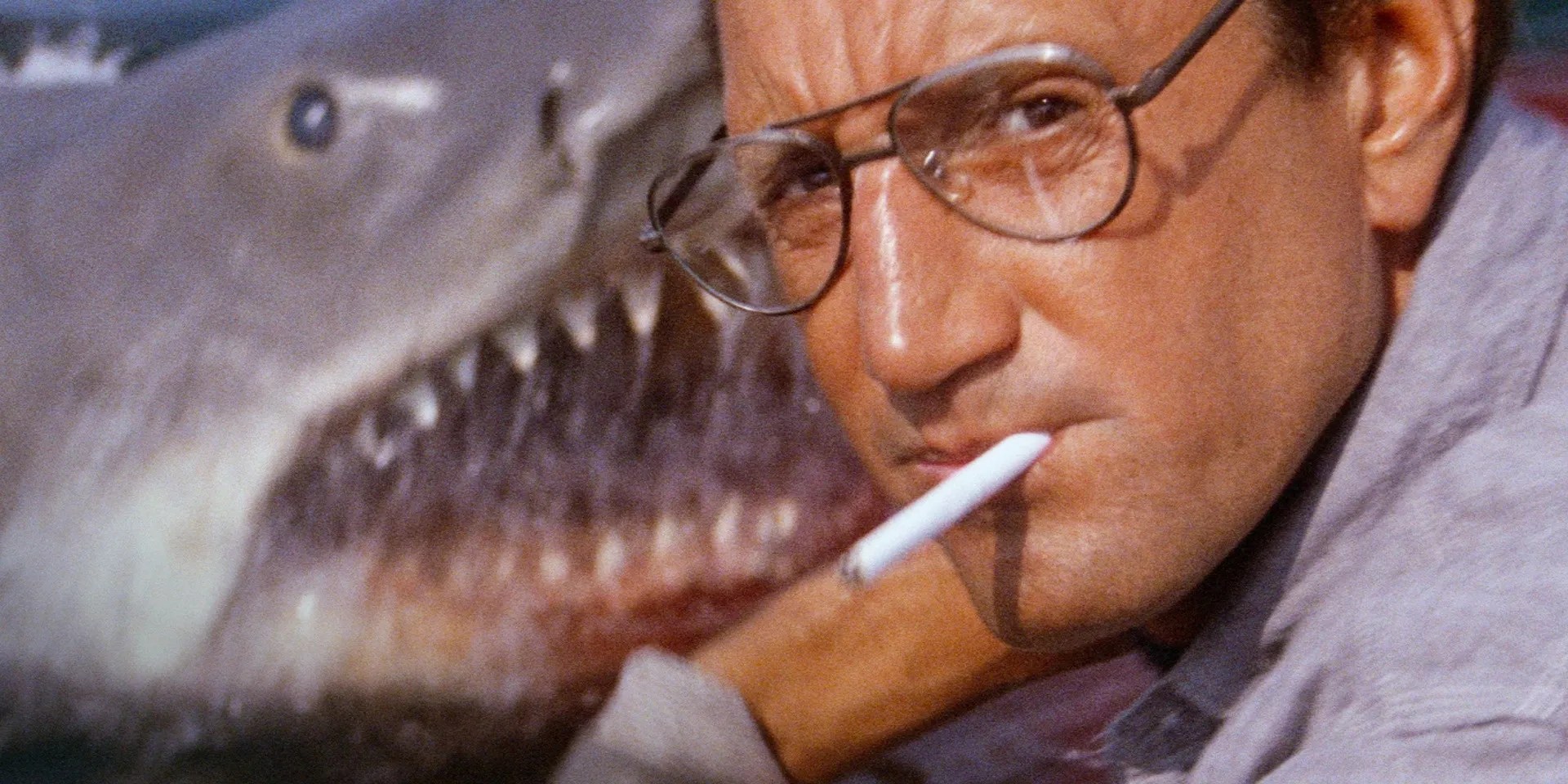
Jaws, the undoubted pinnacle of shark cinema, also has its fair share of spectacle, particularly the near 30-minute man v. shark battle in the final act. But the suspense of that sequence does not arise from the shark itself, rather from the audience’s lingering fear thatthe characters they have become invested inwill be eaten by said shark. Chief Martin Brody (Roy Scheider) is a guilt-ridden father who is unsure if he can protect his family, shark hunter Quint (Robert Shaw) is an eccentric madman whose determination is as intimidating as the shark itself, and oceanographer Matt Hooper (Richard Dreyfuss) is an endearing enthusiast who likely knows more about sharks than he does people. They transcend their characters and feel like identifiable people. InThe Meg, all there is to identify with is an assortment of caricatures who are each assigned one or two characteristics/abilities for the sake of plot convenience.

The Meg 2 Made Things Worse
There was a glimmer of optimism leading up tothis summer’s release ofMeg 2: The Trenchbecause it was directed by Ben Wheatley, the transgressive filmmaker behind 2016’sFree Fireand 2021’sIn the Earth. However, the studio system proved to be an insurmountable hurdle and the result was essentially a remake of the first film except with moreof everything. More sharks, more deep sea creatures, more civilians for dinner, etc. It really should have been titledMegsinstead,given how many times the word is said by Jonas and company.
Meg 2spends its first half hearkening to and amplifying the environmental themes of its predecessor as Jonas takes on a group of eco-terrorists who are running an illegal mining operation in the Mariana Trench that traps the crew in total darkness under the trench’s debris. What should have been a terrifying sequence quickly turns into a bombastic set piece where everyone has to escape an endless barrage of explosions, megs, mini-megs and a giant octopus. Then comes the second half, where characters do all of those things again except now at a populated vacation resort. There is no sustained tension or even any build-up to the action as it repetitively crashes from scene to scene with apace that can only be described as ludicrous.
Shark Movies are Horror, Not Action
One of the most famous stories in film history is how often the mechanical sharks used inJawsconstantly malfunctioned, pushing Spielberg to lean the power of implication and the masterful score by John Williams. There are few moments in cinema that are more iconic than Spielberg’s camera floating up to the kicking legs at the ocean surface as Williams' quiet symphony rumbles to its crescendo. The “Megs"do not need to reach such lengths to be entertaining. All they need to do is embrace their B-movie silliness the way something like1999’sDeep Blue Seadoes so well, but what they do on the contrary is play out like big-budget versions ofSharknado;movies that admittedly tell their audience they are not even trying to be good.
Of all the inventive ways these movies could have been made, Warner Bros. Discovery has decided to take the safest route possible with an emphasis on CGI over carefully designed suspense. Yet even as an action movie it does not have any unique characteristics that separate it from any other creature feature blockbuster of its ilk. In regard to a third installment,Wheatley has told TotalFilmthat there is “a lot more to explore in that world” and that he hopes to return for another ride. Hopefully this time around he can convince the studio to add a little more bite to these unfortunately toothless shark movies.
